
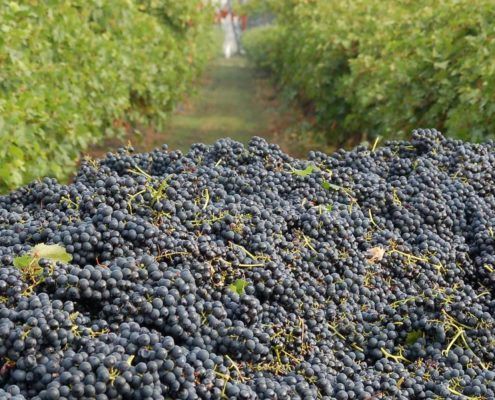
GRAPES MUST:
it is the liquid product obtained from fresh and pressed grapes (fresh grapes pressed with or without stalks) by pressing and draining or pressing, having an overall natural alcohol content (alcohol content that the product has before undergoing any correction or mixing) not less than 8% vol. for processing into wine by fermentation. Grapes, musts and wines are purchased from qualified suppliers who ensure compliance with current legislation by issuing appropriate self-certifications.
GRAPES RECEPTION:
The first phase consists of acceptance, verification from a qualified supplier, presence of accompanying documentation, collection of information, visual inspection of the batch of grapes and document control of the transport document that stocks the goods; in this step the driver is directed to which unloading tank he have to go, just to manage separately the processing of the different grape varieties. No product is sent to the subsequent processing phases before having completed the acceptance phase.
If the incoming product does not correspond to the information reported in the accompanying document or does not comply with the requirements for inclusion in the biological supply chain, it is identified and processed in a different area.

PRESSING / DE-STEMMING:
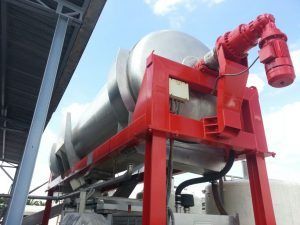
The product, after the acceptance phase, is directed towards the waste tanks. Following the unloading of the grapes into the tanks, the grapes are conveyed, by means of mechanical augers, into the vertical centrifugal crushers, which separate the solid part (stalks), sent by conveyor belts in the pomace collection pit, from the liquid part ( wine). Once the separation has taken place, the relative quantity of sulfur dioxide (sulfur dioxide) or potassium metabisulphite is added to the liquid part. In this phase the final destination of the product is decided, therefore the wine must is mutated (by means of sulfur dioxide) or the spontaneous fermentation of the grape must (potassium metabisulphite) is expected.
For the processing of organic grapes, a tank of about 700 quintals has been used for the pigmenting-destemming operations, where, through the augers, the grapes are conveyed towards a press above the unloading tanks.
DRAINING, TORCHING, PRESSING, FILTRATION:
The product is transferred from the silos to the draining-pressing lines to allow the separation of the lees from the wine-must.
The mute wine must and the fermented wine are processed through equipment and machinery such as the rotary filter, the plate filter, the tangential filter, the decanter and the centrifuges. These equipments allow the refinement, the cleaning, the clarification of the product according to the needs of the market and of the customers.
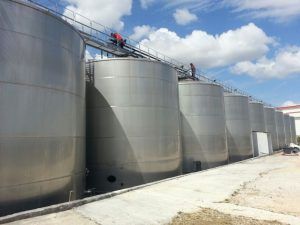
FINISHED PRODUCT SALE (GRAPES MOSTS AND WINES):
The grape-musts and the wines are sold to other wineries by road-tanker suitable for transporting food products. All the road-tankers, before loading, are carefully checked in order to check their cleanliness in order to avoid any risk of contamination.